ART TRACKERSConnecting fine art to people
Platform OverviewPlatform SecurityPricingTechnology OverviewTags & PlaquesWhat is UAINLegal & Compliance
GovernmentTribal NationsArtistsUniversity & CollegesServices
InstitutionsExploreMuseum Collections
Artists
Why Art TrackersAboutContactBlogDocumentationCareers
Request demo
Platform OverviewPlatform SecurityPricingTechnology OverviewTags & PlaquesWhat is UAINLegal & Compliance
GovernmentTribal NationsArtistsUniversity & CollegesServices
InstitutionsExploreMuseum Collections
Artists
Why Art TrackersAboutContactBlogDocumentationCareers
Request demo
Art Trackers logo
ART TRACKERS
Connecting fine art to people

Connecting fine art to people. Preserving cultural legacy through technology.

Platform

FeaturesHow It WorksSecurityIntegrations

Government

For Cities & CountiesComplianceResourcesCase Studies

Resources

DocumentationHelp CenterBlog

Company

About UsCareersNewsContact Us

© 2026 Art Trackers LLC. All rights reserved.

Privacy PolicyTerms of ServiceAccessibility
    Museum collections / The Cleveland Museum of Art
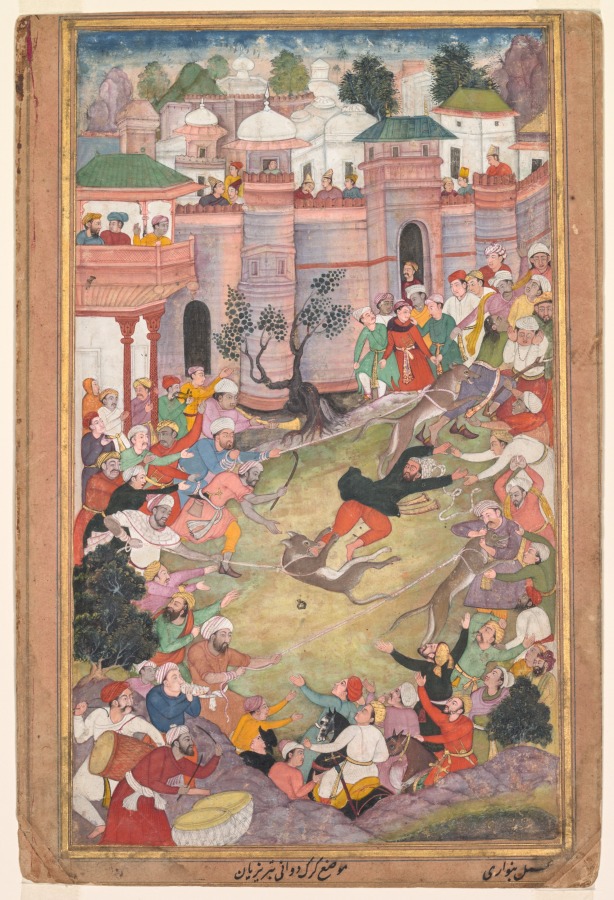
    The game of wolf-running in Tabriz, from an Akbar-nama (Book of Akbar)
    Banavari 1. The game of wolf-running in Tabriz, from an Akbar-nama (Book of Akbar), c. 1595–1600. The Cleveland Museum of Art. Public domain (CC0).
    AT-00009743

    Public data from the Cleveland Museum of Art. Learn more

    The game of wolf-running in Tabriz, from an Akbar-nama (Book of Akbar)

    by Banavari 1

    About the Artwork

    After four years of traveling in exile, fleeing Afghan forces, Humayun reached Tabriz, the glittering capital of the Safavid dynasty in northwestern Iran, here imaginatively rendered by the Indian artist. There the second Mughal emperor enjoyed warm hospitality extended by the shah of Iran, who called for a game of wolf-running for which the city was famous. Artists painting during the time of Akbar, late in his reign when historical subjects dominated, speculated as to how the game was played, based on eyewitness accounts. They gave the figures lively emotive expressions and gestures, and the dense crowding successfully conveys the pandemonium of the scene.

    Inscriptions

    signed by Banwari

    Provenance

    Private Collection, London

    Exhibition history

    Art and Stories from Mughal India. The Cleveland Museum of Art, Cleveland, OH (organizer) (July 31-October 23, 2016).

    Quick Overview

    Artist
    Banavari 1 (Indian, active 1550s-1590s)
    Date
    c. 1595–1600
    Medium
    Gum tempera, ink, and gold on paper
    Dimensions
    Page: 35.2 x 23.8 cm (13 7/8 x 9 3/8 in.)
    Type
    Painting
    Classification
    Painting
    Department
    Indian and Southeast Asian Art
    Credit line
    Alma Kroeger Fund
    Accession no.
    2003.38

    More by Banavari 1 in museum collections
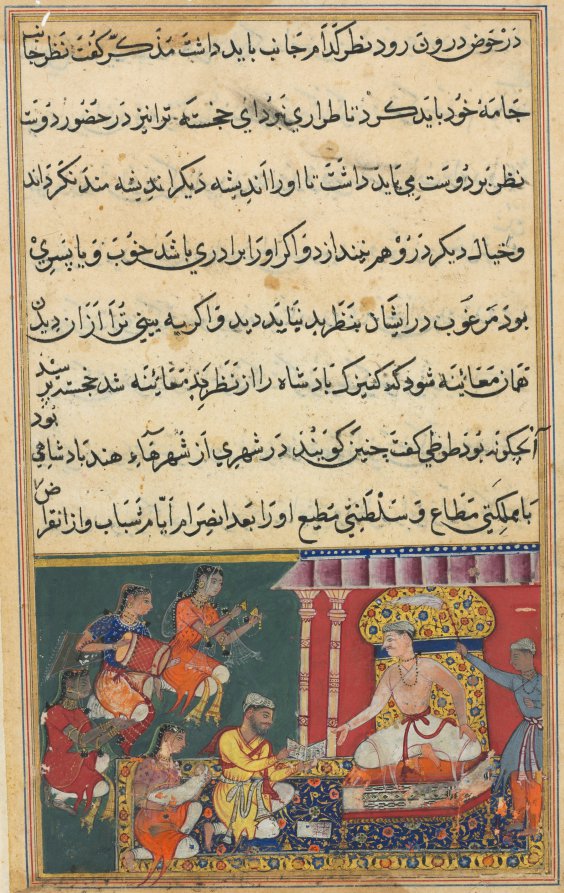
    • The astrologer predicts a calamity for the newly born prince in his thirteenth year, but one which he would be able to overcome, from a Tuti-nama (Tales of a Parrot): Eighth Night

      Banavari 1

      c. 1560 · Painting

      Public collection via the Cleveland Museum of ArtAT-00009804

    Open-access museum data

    This record comes from the open-access collection data that the Cleveland Museum of Art publishes for unrestricted use (Creative Commons Zero). Art Trackers shows a selection of the museum's published fields. The Cleveland Museum of Art is not an Art Trackers client and has not reviewed or endorsed this page; the museum's own website is the authoritative record.

    • View this work at the Cleveland Museum of Art
    • The Cleveland Museum of Art: open-access terms

    Data retrieved from the Cleveland Museum of Art on October 8, 2026. The museum may have updated its record since.

    Open-access museum record · AT-00009743

    Powered by Art Trackers