ART TRACKERSConnecting fine art to people
Platform OverviewPlatform SecurityPricingTechnology OverviewTags & PlaquesWhat is UAINLegal & Compliance
GovernmentTribal NationsArtistsUniversity & CollegesServices
InstitutionsExploreMuseum Collections
Artists
Why Art TrackersAboutContactBlogDocumentationCareers
Request demo
Platform OverviewPlatform SecurityPricingTechnology OverviewTags & PlaquesWhat is UAINLegal & Compliance
GovernmentTribal NationsArtistsUniversity & CollegesServices
InstitutionsExploreMuseum Collections
Artists
Why Art TrackersAboutContactBlogDocumentationCareers
Request demo
Art Trackers logo
ART TRACKERS
Connecting fine art to people

Connecting fine art to people. Preserving cultural legacy through technology.

Platform

FeaturesHow It WorksSecurityIntegrations

Government

For Cities & CountiesComplianceResourcesCase Studies

Resources

DocumentationHelp CenterBlog

Company

About UsCareersNewsContact Us

© 2026 Art Trackers LLC. All rights reserved.

Privacy PolicyTerms of ServiceAccessibility
    Museum collections / The Cleveland Museum of Art
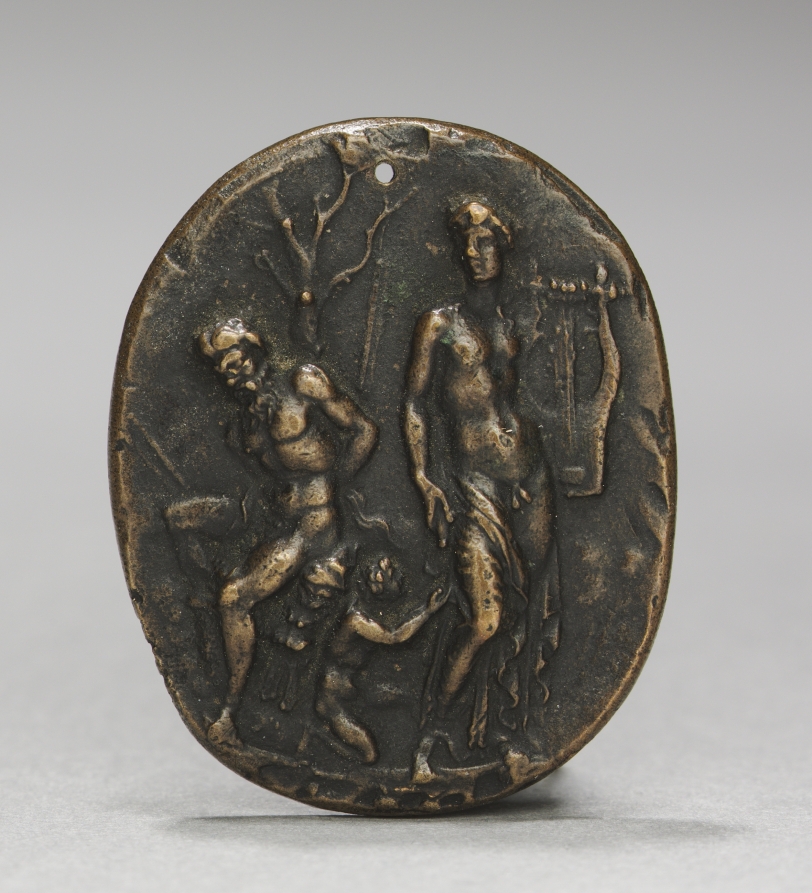
    Apollo and Marsyas
    Cristoforo di Geremia. Apollo and Marsyas, c. 1468. The Cleveland Museum of Art. Public domain (CC0).
    AT-00010780

    Public data from the Cleveland Museum of Art. Learn more

    Apollo and Marsyas

    by Cristoforo di Geremia

    About the Artwork

    This plaquette is based on an important 1st-century gem attributed to Diskourides that passed into the Medici collection in the 1400s. The antique carnelian stone was so popular that the design was copied in numerous variations and media. In Ovid's Metamorphoses, Marsyas challenged Apollo to a music contest: his flute versus the god's lyre. As punishment for Marsyas's hubris, Apollo bound him to a tree and had his skin flayed. In the middle of the composition is the diminutive Olympus, Marsyas's student, begging Apollo for mercy. While the exact function of this plaquette is not clear, the subject had significance for political and noble figures in the Renaissance. The lyre symbolized peace, and thus the victory of Apollo's lyre stood for the triumph of universal harmony. When Pope Paul II Barbo (1417–1471) commissioned a portrait medal in 1468, the reverse included this same image, making the connection between his papacy and the new "Peace of Italy."

    Provenance

    Dr. Jacob Hirsch (New York, New York). Bank Leu (Zurich, Switzerland), sold to Mrs. John B. Putnam. John B. Putnam Foundation, by gift to the Cleveland Museum of Art, 1969.

    Exhibition history

    Year in Review: 1969. The Cleveland Museum of Art, Cleveland, OH (organizer) (January 27-February 22, 1970). Collecting Drawings in England. The Cleveland Museum of Art, Cleveland, OH (organizer) (November 3, 1987-January 17, 1988).

    Quick Overview

    Artist
    Cristoforo di Geremia (Italian, active 1456–76)
    Date
    c. 1468
    Medium
    bronze
    Dimensions
    Overall: 4.1 x 3.4 x 0.4 cm (1 5/8 x 1 5/16 x 3/16 in.)
    Type
    Sculpture
    Classification
    Sculpture
    Department
    European Painting and Sculpture
    Credit line
    Gift of the John B. Putnam Foundation
    Accession no.
    1969.261

    More by Cristoforo di Geremia in museum collections
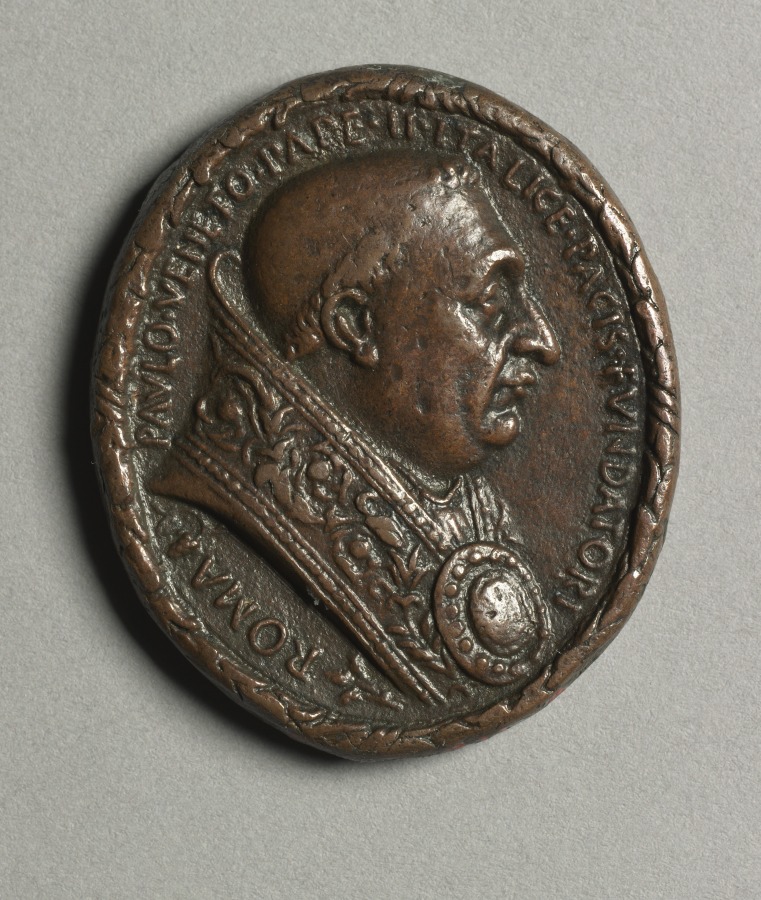
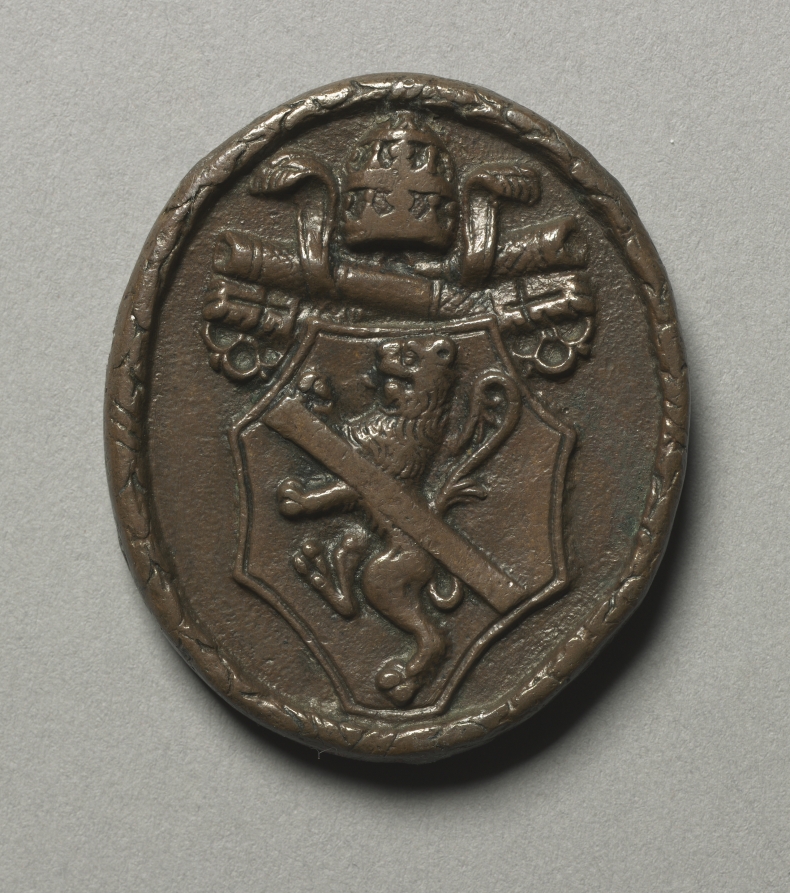
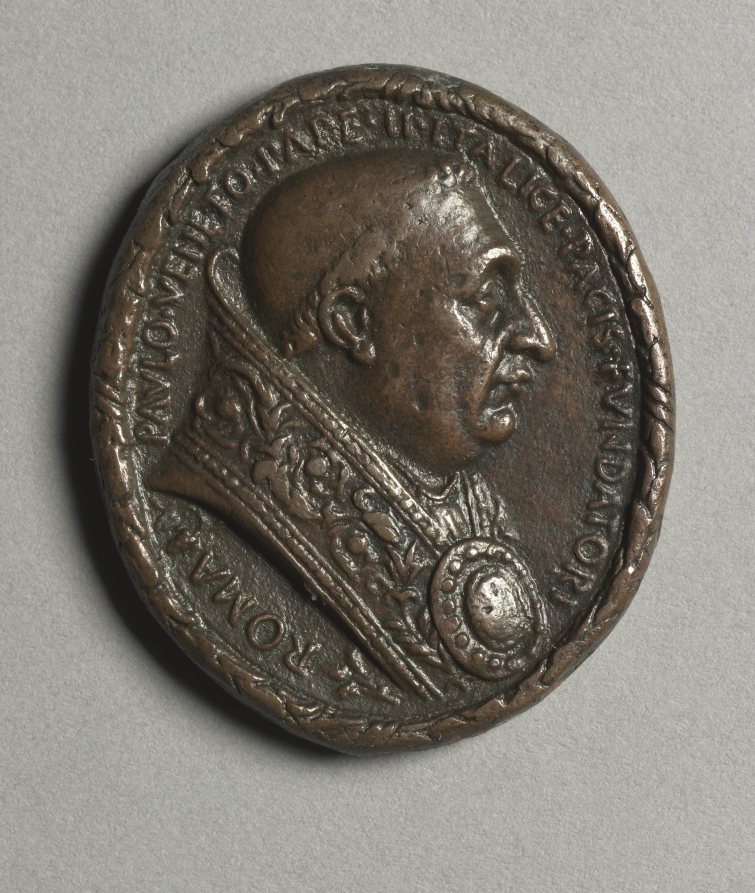
    • Portrait of Pope Paul II Barbo (obverse) and (reverse)

      Cristoforo di Geremia

      c. 1468 · Sculpture

      Public collection via the Cleveland Museum of ArtAT-00010662
    • Portrait of Pope Paul II Barbo (reverse)

      Cristoforo di Geremia

      c. 1468 · Sculpture

      Public collection via the Cleveland Museum of ArtAT-00010726
    • Portrait of Pope Paul II Barbo (obverse)

      Cristoforo di Geremia

      c. 1468 · Sculpture

      Public collection via the Cleveland Museum of ArtAT-00010740

    Open-access museum data

    This record comes from the open-access collection data that the Cleveland Museum of Art publishes for unrestricted use (Creative Commons Zero). Art Trackers shows a selection of the museum's published fields. The Cleveland Museum of Art is not an Art Trackers client and has not reviewed or endorsed this page; the museum's own website is the authoritative record.

    • View this work at the Cleveland Museum of Art
    • The Cleveland Museum of Art: open-access terms

    Data retrieved from the Cleveland Museum of Art on October 8, 2026. The museum may have updated its record since.

    Open-access museum record · AT-00010780

    Powered by Art Trackers