
Public data from the Cleveland Museum of Art. Learn more
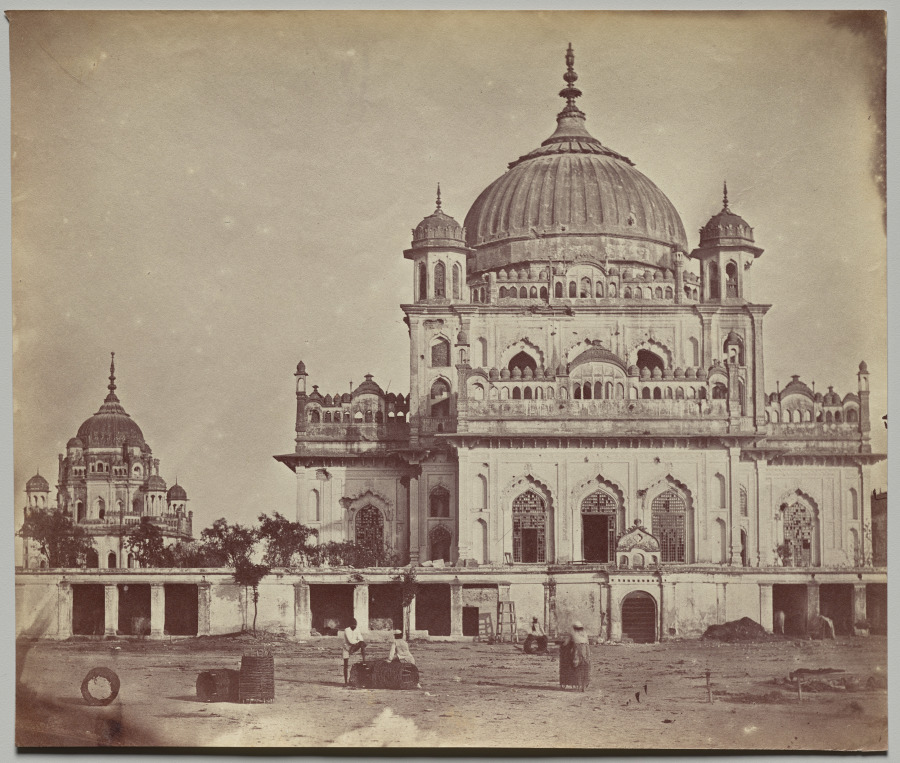
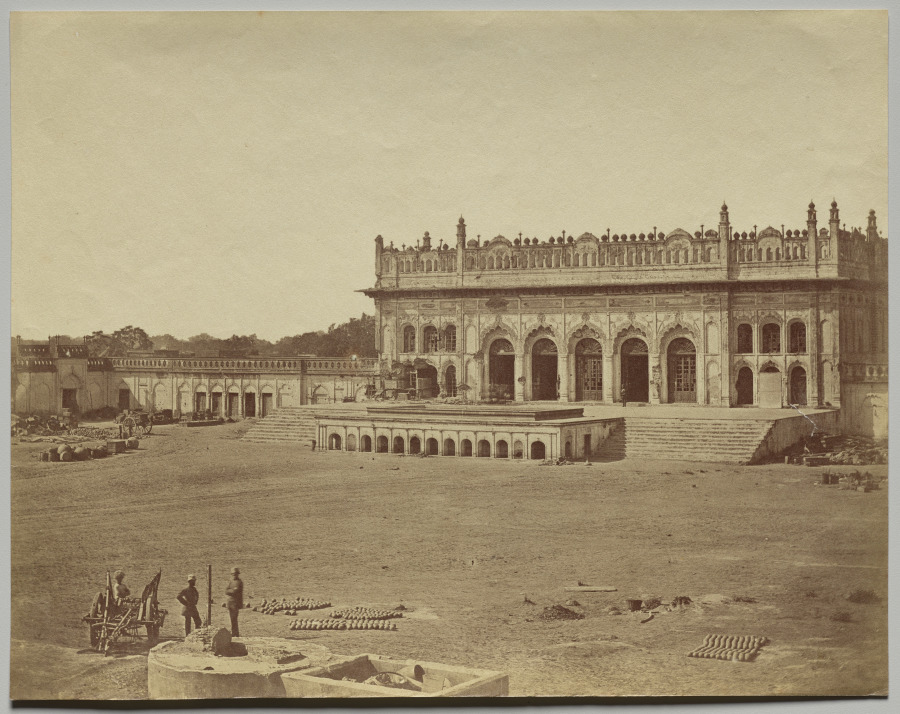
Small Mosque in the Kaiserbagh
About the Artwork
Built for Wajid Ali Shah (1847–1856), between 1848 to 1850, Kaiserbagh Palace is a fine example of 1800s architecture in Lucknow, northern India. Parts of Kaiserbagh Palace were destroyed during the Indian Rebellion (an uprising against British rule), also known as the First War of Independence in 1857. This photograph captures the small mosque of the palace after the British siege of the city. Mosques are Muslim places of worship, used for five daily prayers, teaching the Qur’an, and community gatherings. The small mosque in the Kaiserbagh complex, however, served primarily the ruler’s family and members of the court.
Quick Overview
- Artist
- Felice A. Beato (British, 1832–1909)
- Date
- 1858
- Medium
- albumen print
- Dimensions
- Image: 25.4 x 30.5 cm (10 x 12 in.)
- Type
- Photograph
- Classification
- Photograph
- Department
- Photography
- Credit line
- Severance and Greta Millikin Purchase Fund
- Accession no.
- 2019.170.16
Provenance
Sir William Russell, 2nd Baronet October 20, 1993: (Christie's, London, United Kingdom, October 20, 1993 sale) September 27, 2001: (Christie's, London, United Kingdom, September 27, 2001 sale) 2001-2019: Private Collection, United Kingdom 2019: (Prahlad Bubbar Indian and Islamic Art, London, United Kingdom, sold to the Cleveland Museum of Art) September 9, 2019–: The Cleveland Museum of Art, Cleveland, OH
More by Felice A. Beato in museum collections
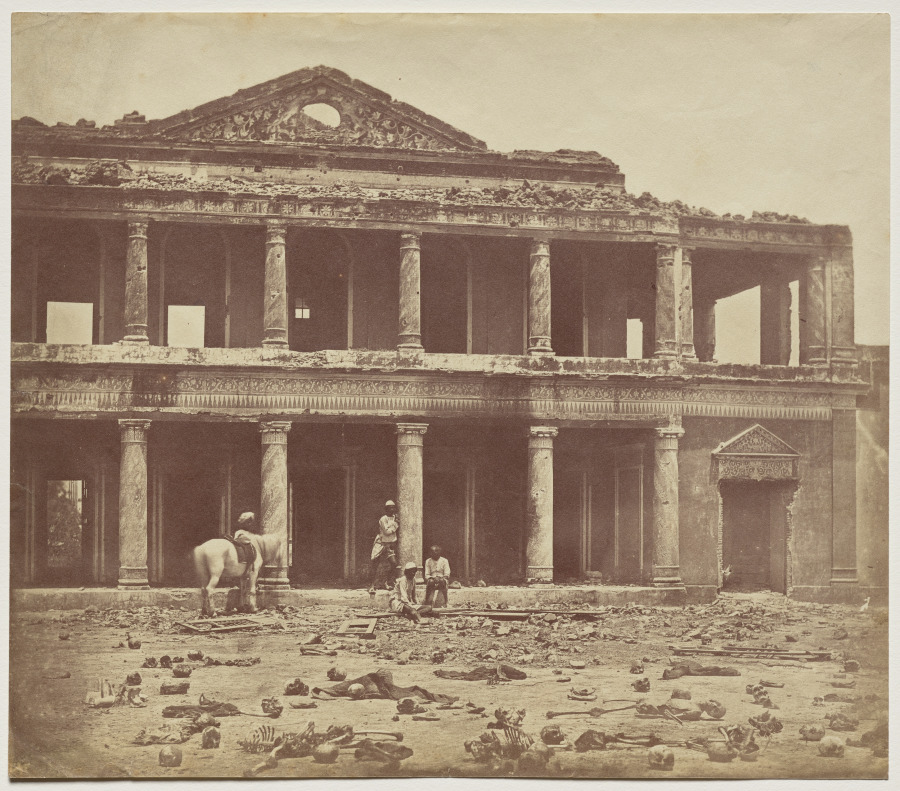
Interior of the Secundra Bagh after the Slaughter of 2,000 Rebels by the 93rd Highlanders and 4th Punjab Regiment
Felice A. Beato1858 · Photograph
Data retrieved from the Cleveland Museum of Art on October 8, 2026. The museum may have updated its record since.
Open-access museum record · AT-00012743
Request removalPowered by Art Trackers