
Technology Overview
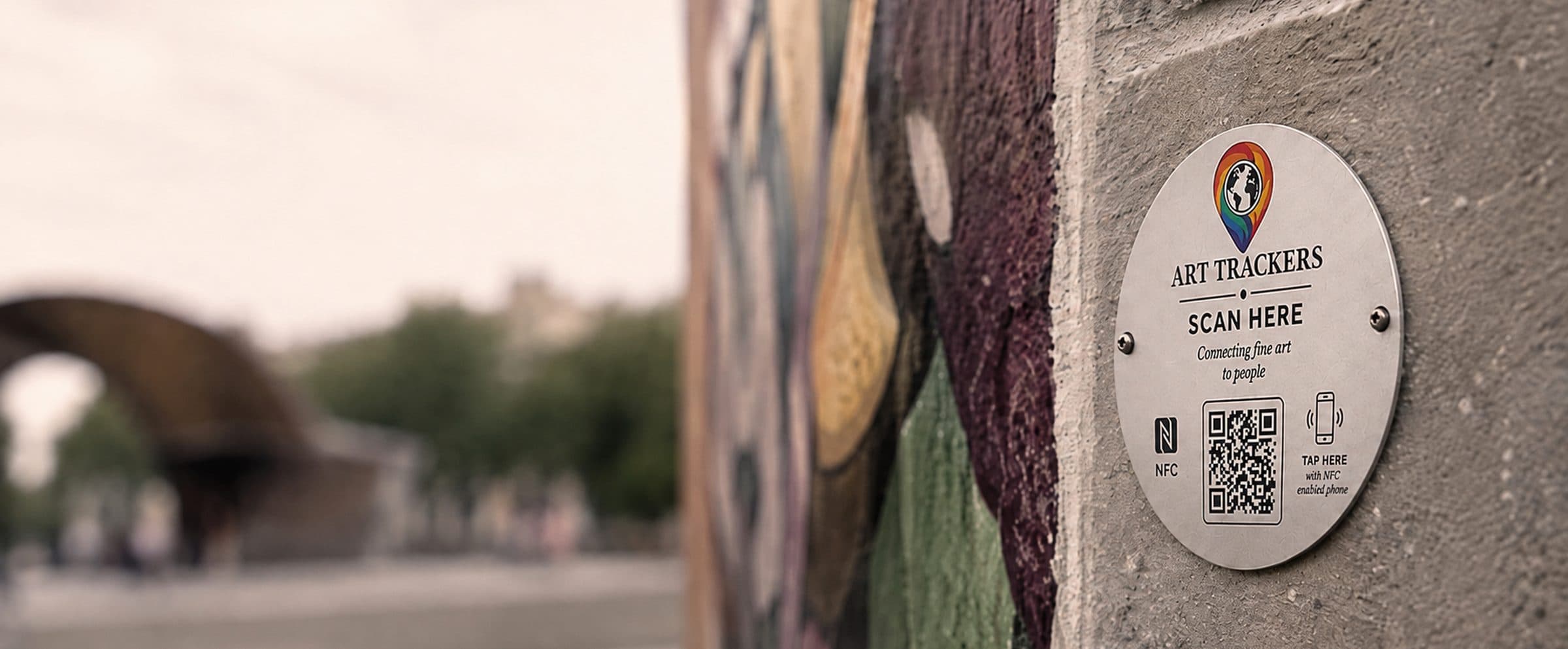
Patent-pending AT-ID™ technology.
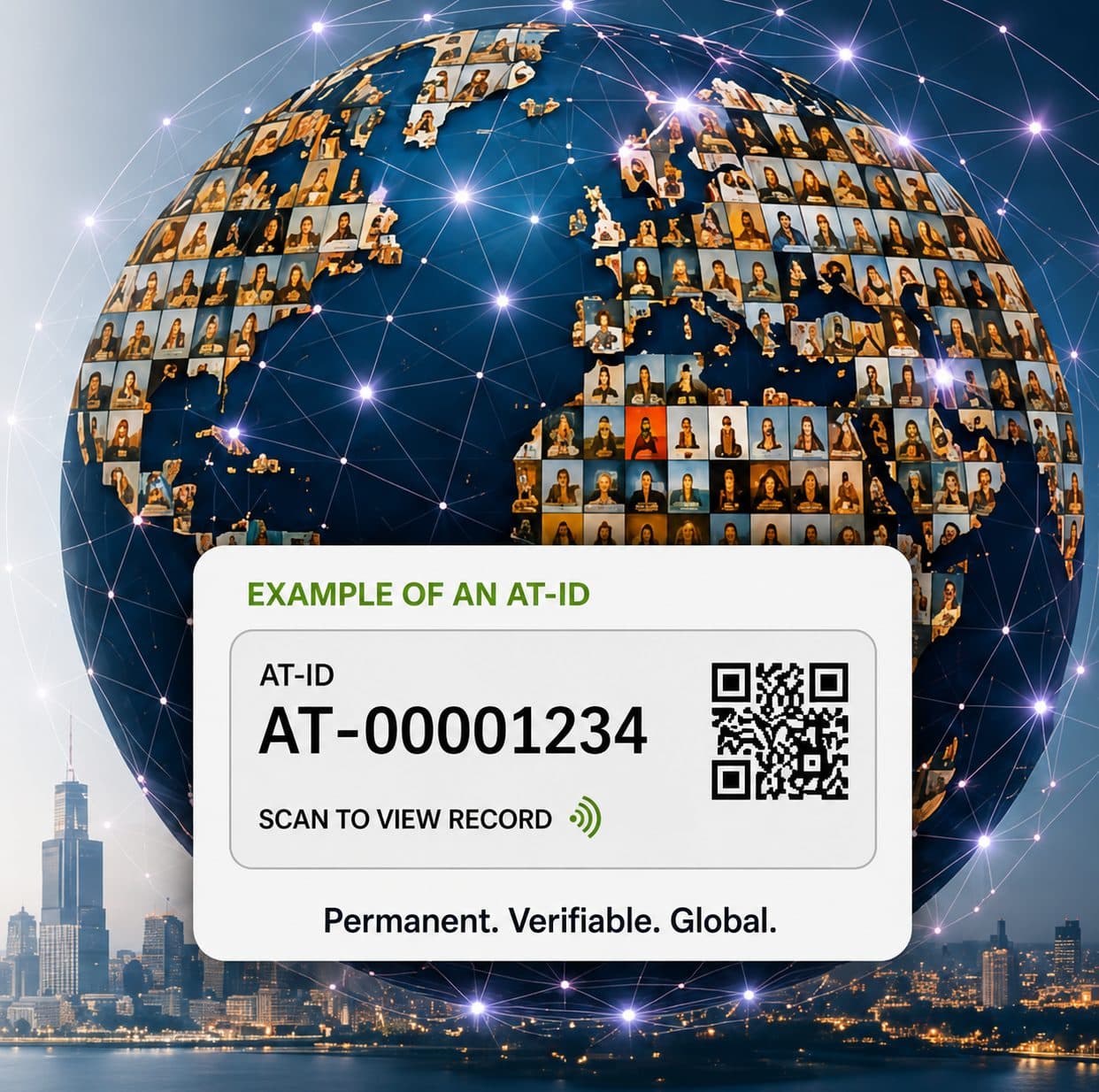
A permanent, verified record that follows an artwork through its entire life — the way a VIN follows a vehicle or an MLS listing follows a property. Every artwork gets a unique AT-ID, formatted AT-00000001, assigned once and valid forever.
Art Trackers
Why we built Art Trackers
Public art tells the story of our communities, but too often the records behind that art are incomplete, scattered across departments, or lost over time.
We created Art Trackers to ensure every artwork has a permanent identity, every artist receives lasting recognition, and every community can preserve the cultural legacy entrusted to it.
Because preserving art isn't just about managing assets. It's about protecting stories.
Why AT-ID changes everything
Traditional artwork records are often scattered across spreadsheets, filing cabinets, emails, museum databases, and paper archives. When information is lost, artwork loses part of its history.
AT-ID creates a permanent digital identity that stays with an artwork throughout its entire life, preserving provenance, ownership history, condition reports, exhibitions, and community stories in one verified record.
Data Journey
The life of an artwork
- Artist creates work
- Artwork registered
- AT-ID generated
- NFC tag installed
- Public engagement
- Condition reports
- Conservation
- Ownership transfer
- Museum collection
- Permanent cultural record


How AT-ID Works
Register. Tag. Connect. Track forever.
- 1
Register
An agency or institution catalogs the artwork, including title, artist, location, date, medium, dimensions, and images.
- 2
Tag
An NFC tag is affixed to the artwork or its signage, linked directly to the AT-ID — no app required.
- 3
Connect
Community members tap the tag and land instantly on the artwork's public profile
- 4
Track forever
Ownership transfers, location changes, restorations, and appraisals are all recorded in the permanent provenance chain.


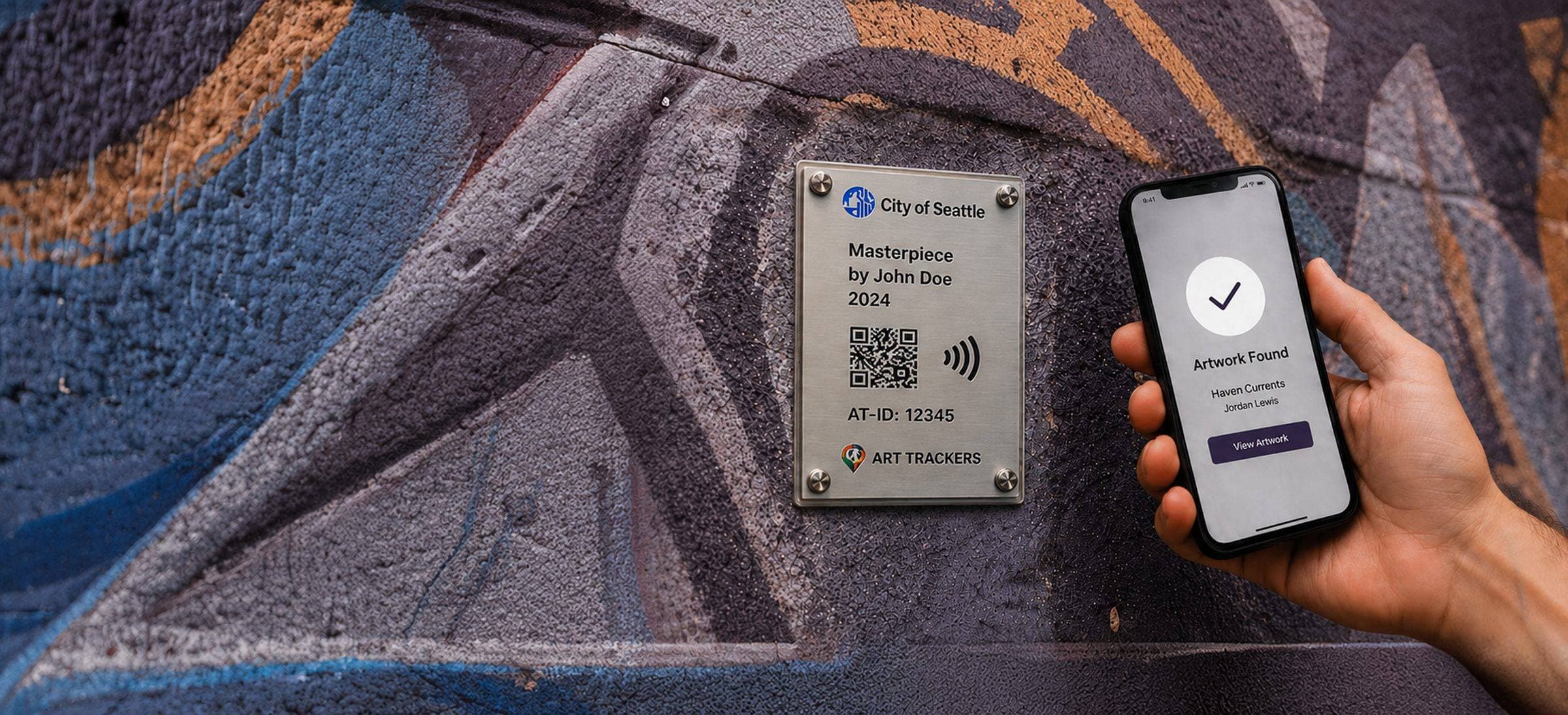
NFC + QR Dual Access
No app. No barrier. Just tap.
Art Trackers uses NTAG213 NFC tags — small, durable, weatherproof labels pre-linked to each artwork's AT-ID.
- No app requiredWorks with any NFC-enabled smartphone's built-in reader.
- Universal compatibilityiPhone, Android, all major platforms.
- WeatherproofRated for long-term outdoor use in public art environments.


System Architecture
A two-ID system, by design.
Every artwork has a public AT-ID (displayed everywhere, enabling discovery) and a hidden secure id (stored in our backend only, protecting the integrity of the record).
Public Track
- Artwork
- AT-00000123
- NFC
- QR
- Public profile
- Community

Displayed everywhere, enabling discovery.

Hidden Secure Track
- Hidden secure ID
- Backend
- Ownership
- Audit log
- Verification

Built on open standards
Art Trackers is designed to work alongside existing collection management systems, GIS platforms, public websites, and institutional workflows — making adoption easier without replacing the tools organizations already rely on
The NFC layer runs on ISO 14443A / NFC Forum Type 2, an open, industry-standard chip protocol, not a proprietary format.
Built for security
- Secure cloud infrastructure — US-hosted, SOC 2–certified components
- Role-based permissions (Agency Admin / Staff / Read-only)
- Full, append-only audit history — nothing is ever edited or deleted after the fact
- Encrypted data — TLS 1.2+ in transit, sensitive fields encrypted at rest
- Automatic backups
- Hidden Secure IDs — the verification token is never exposed; only its cryptographic hash is stored
- Permanent activity logs on every scan, edit, and transfer

Why Patent Pending?
Why we developed AT-ID™
Art Trackers recognized that artwork lacked a universal identity system. Unlike vehicles, real estate, or library books, artwork often exists without a permanent identifier that survives ownership changes and institutional transfers.
AT-ID was developed to solve this challenge by providing every artwork with a permanent digital identity that supports provenance, stewardship, discovery, and long-term preservation.
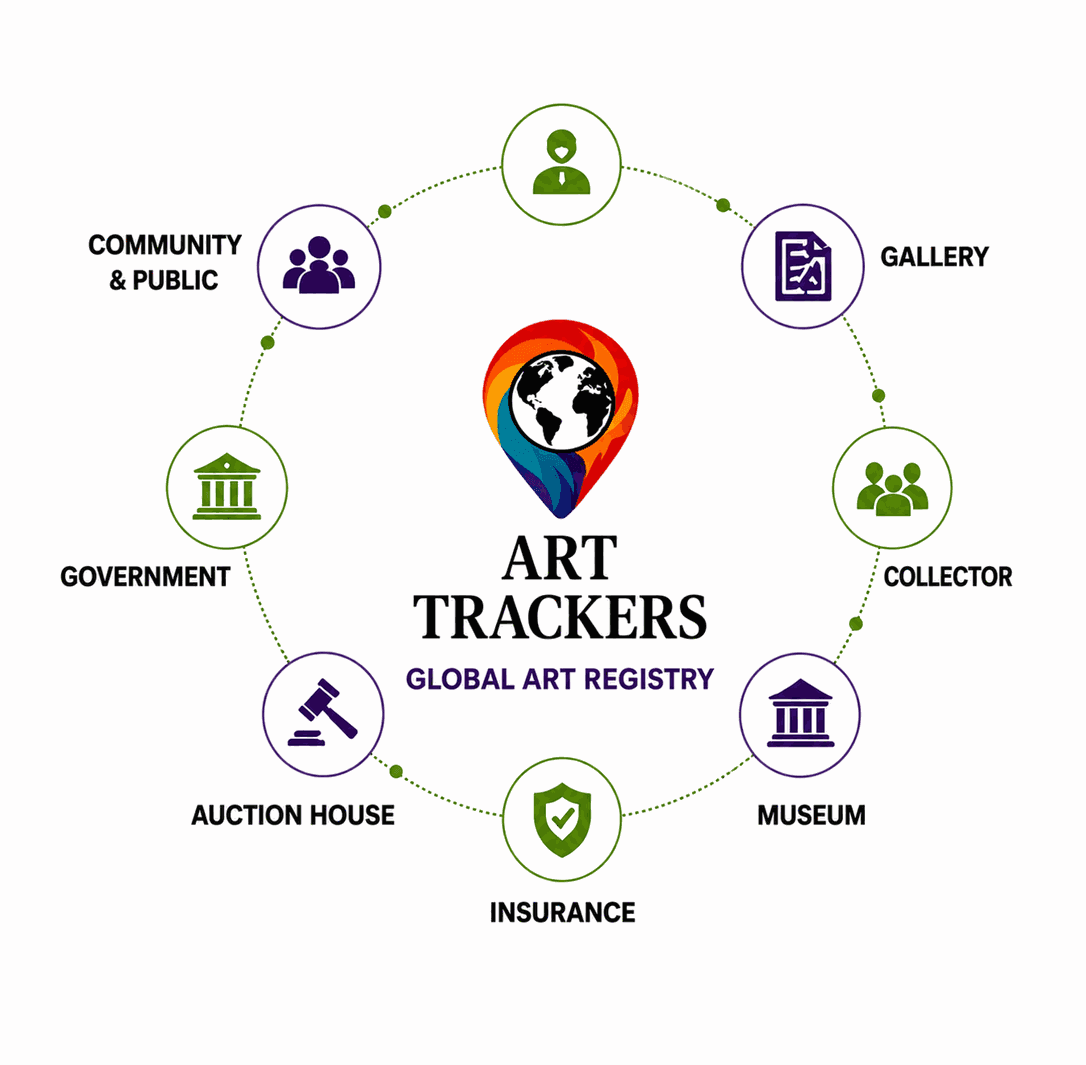
Trusted by Every Stakeholder
Built for everyone connected to public art
- Government agencies
- Artists
- Museums
- Public art programs
- Universities
- Nonprofits
- Grant administrators
- Community members
What makes Art Trackers different


Community Impact
Every artwork connects people.
Every scan helps someone discover an artist. Every map pin helps someone find art they never knew existed. Every verified record protects the cultural legacy of a community. Technology should do more than organize collections. It should connect people to them.
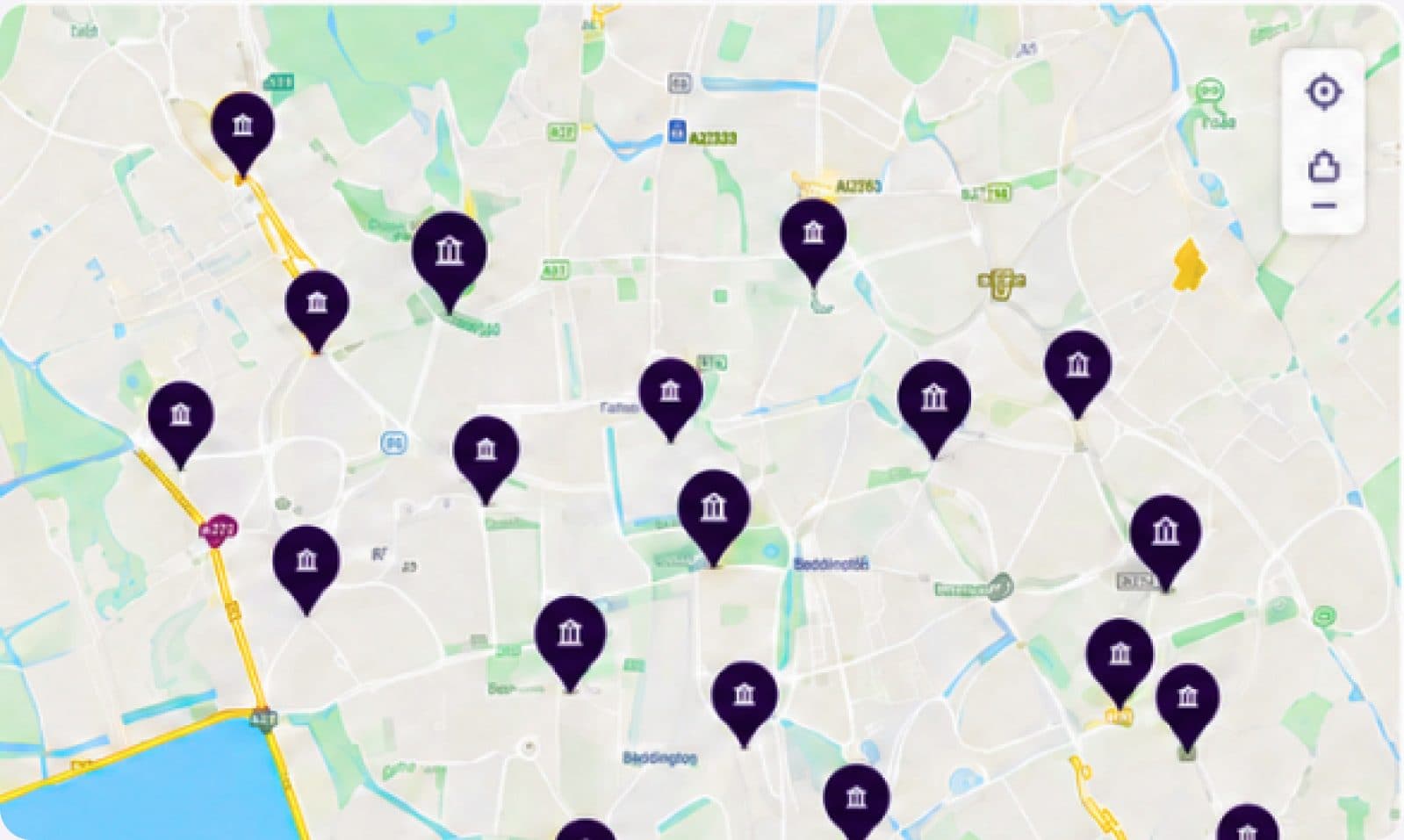
150+ Features across inventory, provenance, mapping, reporting, and community engagement —
See the complete list
Roadmap
Already available today — safe to feature as current capability
- GIS-compatible location data (used today in the public map and agency dashboard)
- Museum collection import — already built for the Art Institute of Chicago, Cleveland Museum of Art, the Met, and the Rijksmuseum
- Conservation & condition tracking — already part of the core platform
- API access — included today in the Professional government tier
Coming next or similar, not as shipped
- Insurance integrations
- Asset management system integrations
- A published, self-serve public API (beyond current Professional-tier access)
- Open data publishing initiative
- Expanded AI-powered search


Technology in service of cultural legacy
At-id wasn't created simply to identify artwork. It was created to preserve the stories, artists, communities, and history behind every piece of art — ensuring that cultural legacy remains connected for generations to come.